
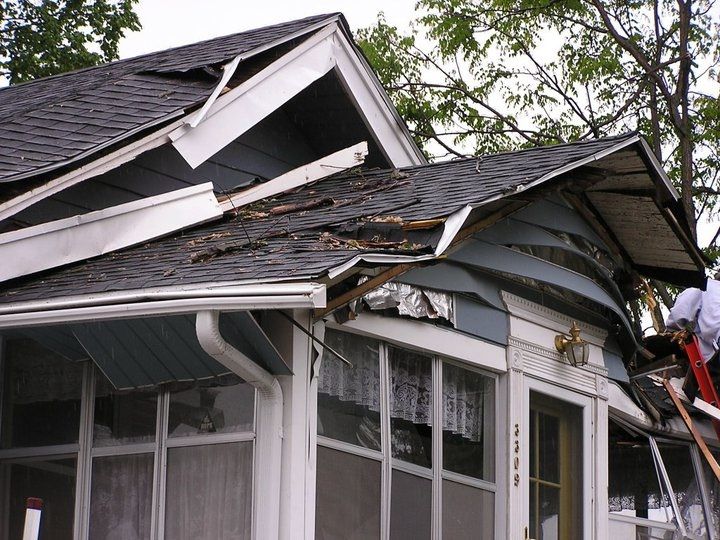
What is Storm Damage Repair?
Storm Damage Repair is the process of restoring homes and buildings after damage caused by severe weather events such as wind, hail, rain, or flooding. It includes inspection, emergency protection, repair, and full restoration of structural and exterior components.
Storm damage repair includes multiple systems like roofing, siding, gutters, and interior structures. It also connects directly with insurance claims and property restoration workflows.
Next, we explore why this process is essential after storms.
Why does Storm Damage Repair matter after severe weather?
Storm Damage Repair matters because severe weather weakens structural integrity and increases long-term risk to safety and property value. Delayed repair causes secondary damage such as leaks, mold, and electrical hazards.
Key reasons include:
- Preventing structural collapse
- Reducing water infiltration
- Maintaining insurance eligibility
- Avoiding mold growth
- Protecting interior finishes
Storms create both visible and hidden damage, making early repair critical.
Next, we break down the main types of storm-related damage.
What types of storm damage exist?
Storm damage is categorized based on the force and source of impact. Each type affects different parts of a structure.
Main types include:
- Wind Damage
- Hail Damage
- Water Damage
- Flood Damage
- Structural Damage
- Roof Damage
Each category interacts with others. For example, wind damage often leads to roof leaks, which then cause water damage.
Next, we examine wind-related effects in detail.
How does wind damage affect homes?
Wind damage affects homes by lifting roofing materials, breaking seals, and weakening structural joints. High-speed winds create pressure differences that stress building envelopes.
Common outcomes:
- Missing shingles
- Broken siding panels
- Detached gutters
- Roof membrane lifting
Wind causes progressive failure, meaning small damage can expand rapidly.
Next, we look at hail-related impacts.
What is hail damage and how is it identified?
Hail damage is physical impact damage caused by ice pellets striking roofing and exterior surfaces. It is identified through dents, cracks, and granule loss on shingles.
Indicators include:
- Bruised shingles
- Exposed roof underlayers
- Dented metal flashing
- Damaged vents
Hail damage often remains hidden until leaks appear.
Next, we explore water infiltration patterns.
How does water damage spread in buildings?
Water damage spreads through capillary action, gravity flow, and material absorption. Once water enters a structure, it moves across ceilings, walls, and insulation.
Key effects:
- Ceiling staining
- Wall swelling
- Electrical risk exposure
- Mold growth acceleration
Water damage often increases over time if untreated.
Next, we move into the repair workflow.
Storm Damage Repair process overview
Storm Damage Repair follows a structured process that ensures safety and long-term stability. It typically includes:
- Emergency response
- Damage inspection
- Documentation
- Insurance claim filing
- Temporary protection
- Full repair or replacement
- Final restoration
This process ensures damage is controlled before it spreads further.
Next, we focus on immediate first steps.
Storm Damage Repair: What steps are involved first?
Storm Damage Repair starts with securing the property and preventing further damage. The first priority is safety and stabilization.
First steps include:
- Turning off electricity in affected zones
- Covering roof openings
- Removing standing water
- Documenting visible damage
Quick action reduces repair costs significantly.
Next, we examine professional assessment methods.
How is damage assessed by professionals?
Damage is assessed using visual inspection, moisture detection tools, and structural evaluation techniques. Professionals identify both visible and hidden issues.
Assessment includes:
- Roof surface inspection
- Interior leak tracing
- Structural alignment checks
- Material integrity testing
Accurate assessment determines repair scope.
Next, we look at roof inspection procedures.
Roof inspection after storms
Roof inspection is the process of evaluating shingles, flashing, and structural layers after storm exposure. It identifies weak points and active leaks.
Inspectors check:
- Missing shingles
- Soft roof spots
- Nail exposure
- Water entry points
Roof inspection is the foundation of all repair decisions.
Next, we explore contractor involvement.
What role do roofing contractors play?
Roofing contractors perform repair, replacement, and structural reinforcement after storm damage. They also help coordinate insurance documentation.
They handle:
- Shingle replacement
- Structural repairs
- Leak sealing
- Temporary tarping
Contractors connect inspection findings with real repairs.
Next, we discuss insurance claims.
How does insurance claim processing work?
Insurance claim processing involves documenting damage, submitting evidence, and receiving approval for repair coverage. It connects homeowners with financial recovery.
Steps include:
- Filing claim report
- Submitting photos
- Adjuster inspection
- Approval or negotiation
- Payout allocation
Insurance reduces out-of-pocket repair costs.
Next, we explain adjuster roles.
What does an insurance adjuster do?
An insurance adjuster evaluates storm damage claims and determines payout eligibility. They verify damage extent and policy coverage.
Adjusters:
- Inspect property
- Review documentation
- Estimate repair costs
- Approve or adjust claims
Their decision impacts final compensation.
Next, we explore emergency protection.
Roof tarping and temporary protection
Roof tarping is a temporary protection method that prevents water intrusion after storm damage. It stabilizes the structure until repairs begin.
Benefits:
- Prevents leaks
- Reduces interior damage
- Secures exposed roofing
Temporary protection buys time for full repair planning.
Next, we examine structural risks.
Structural damage risks after storms
Structural damage risks include weakened beams, foundation shifts, and compromised load-bearing walls. These issues threaten building safety.
Risks include:
- Roof collapse
- Wall instability
- Foundation cracking
Structural integrity must always be prioritized.
Next, we explore common roof symptoms.
Missing shingles and roof leaks
Missing shingles and roof leaks are common signs of storm impact. They expose underlying layers to moisture.
Effects:
- Water intrusion
- Insulation damage
- Interior staining
Small shingle loss can lead to major repairs.
Next, we cover exterior systems.
Gutter and siding damage impact
Gutter and siding damage affects water drainage and wall protection. Storms often detach or bend these systems.
Consequences:
- Improper drainage
- Wall moisture buildup
- Foundation erosion
Exterior systems protect overall building health.
Next, we discuss water aftermath.
Flood damage and mold growth risks
Flood damage increases moisture levels, which leads to mold growth if untreated. Mold spreads quickly in humid environments.
Risks include:
- Health issues
- Structural decay
- Material contamination
Moisture control is essential in restoration.
Next, we cover cleanup operations.
Storm cleanup and debris removal
Storm cleanup includes removing fallen trees, broken materials, and hazardous debris. It restores site safety and access.
Activities include:
- Tree removal
- Debris hauling
- Hazard clearance
Cleanup prepares the site for repairs.
Next, we discuss emergency response.
Emergency storm response strategies
Emergency storm response focuses on immediate stabilization and safety actions after a storm event.
Includes:
- Rapid inspection
- Temporary sealing
- Utility safety checks
Fast response reduces total damage.
Next, we explore restoration systems.
Property restoration process explained
Property restoration is the full recovery process of a damaged structure to pre-storm condition.
Includes:
- Structural repair
- Interior rebuilding
- Exterior reconstruction
Restoration completes the repair lifecycle.
Next, we compare repair vs replacement.
Roof replacement vs repair decision
Roof repair fixes localized damage, while roof replacement rebuilds the entire roofing system.
Comparison:
- Repair: cost-effective, small damage
- Replacement: long-term solution, severe damage
Decision depends on inspection results.
Next, we discuss compliance rules.
Building code compliance in repairs
Building code compliance ensures all storm repairs meet safety and construction standards.
Includes:
- Material standards
- Structural guidelines
- Inspection approvals
Compliance prevents legal and safety issues.
Next, we explore contractor selection.
How to choose a roofing contractor?
Choosing a roofing contractor involves evaluating experience, licensing, and storm repair expertise.
Key factors:
- Verified credentials
- Insurance handling experience
- Local reputation
Good contractors ensure reliable recovery.
Next, we examine cost factors.
Storm Damage Repair costs explained
Storm Damage Repair costs depend on damage severity, materials, labor, and insurance coverage.
Cost drivers:
- Roof size
- Material type
- Extent of structural damage
Accurate inspection defines total cost.
Next, we focus on prevention.
Preventing future storm damage
Prevention reduces future storm damage through maintenance and structural reinforcement.
Methods:
- Regular roof inspection
- Gutter cleaning
- Reinforced roofing materials
Prevention lowers long-term repair costs.
Next, we address common mistakes.
Common mistakes homeowners make
Homeowners often delay repairs or ignore minor damage signs, leading to bigger issues.
Mistakes:
- Ignoring small leaks
- Delaying inspection
- Skipping insurance claims
Early action prevents escalation.
Next, we summarize actions.
Final checklist for homeowners
A storm recovery checklist ensures nothing is missed during restoration.
Checklist:
- Inspect roof and siding
- Document all damage
- Contact insurer
- Hire contractor
- Secure temporary protection
This prepares homeowners for full recovery.
FAQs
Storm damage repair starts with a safety inspection and securing the property to prevent further damage.
Insurance often covers storm damage repair if the policy includes wind, hail, or water-related clauses.
Small leaks, missing shingles, and dents are early indicators that repair is needed.
Roof tarping provides temporary protection until full repairs can be completed.
Repair fixes localized damage, while replacement rebuilds the entire roof system.
Yes, delayed repair increases risks of mold growth, structural weakening, and higher costs.
Conclusion
Storm Damage Repair is a structured process that restores safety, stability, and property value after severe weather. It connects inspection, insurance, and restoration into one coordinated system.
The faster the response, the lower the long-term damage and cost. At The Best Roofing Company, we ensure fast, reliable, and professional storm damage repair solutions that help protect your home and restore peace of mind.
Contact The Best Roofing Company today for expert storm damage repair.