
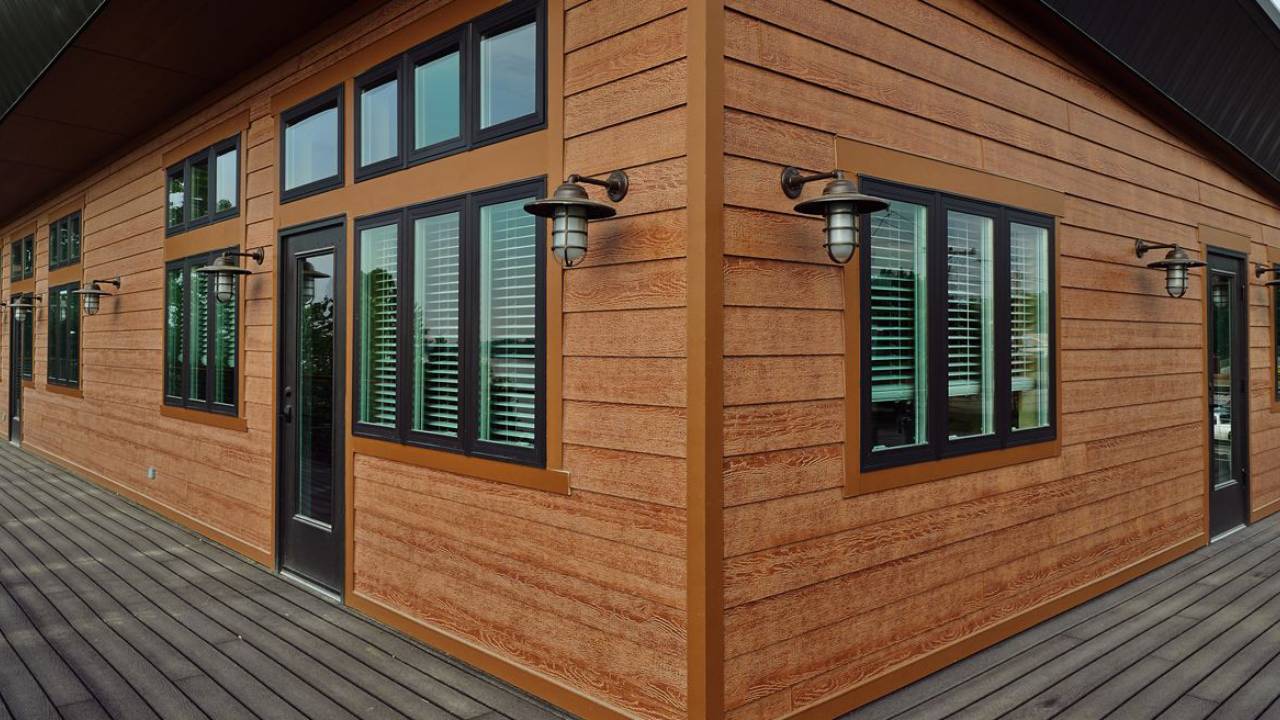
Siding panels that have warped after another brutal Minnesota winter. A color that’s faded so much it barely matches the trim anymore. A section near the foundation that’s started to crack after years of freeze-thaw cycles. Siding takes on more punishment in the Twin Cities climate than almost any other part of a home’s exterior, and understanding what’s behind common problems can help homeowners decide when it’s time for professional siding replacement.
In this guide, The Best Roofing Company walks through the most common siding problems, how to choose the right replacement material, and what to expect from the installation process.
Why Prompt Siding Attention Matters
It’s easy to overlook a cracked panel or a section of faded siding, especially if the rest of the exterior still looks fine. But siding problems rarely stay isolated, particularly with Minnesota’s extreme seasonal temperature swings. A small crack can let moisture behind the siding, where it can damage sheathing and framing long before it’s noticed from outside. Warped or loose panels can worsen with every freeze-thaw cycle. Addressing siding issues promptly, or planning a full replacement before problems escalate, helps homeowners avoid the larger structural repairs that often follow when siding damage is left unaddressed through another Minnesota winter.
Common Siding Problems
Cracking and Splitting
Cracks in siding, especially vinyl, often result from age, impact, or extreme cold making the material brittle. Once cracked, siding can no longer effectively shed water, allowing moisture to reach the layers underneath.
Warping and Buckling
Siding that warps or buckles is frequently caused by heat exposure, improper installation, or moisture that’s gotten trapped behind the panels. This is a common issue with vinyl siding installed too tightly, without room to expand and contract with temperature changes.
Fading and Discoloration
Siding that’s lost its original color is a natural result of UV exposure over time, though lower-quality materials tend to fade faster. While largely cosmetic, significant fading can also be a sign that the material’s protective properties have diminished.
Moisture Damage and Rot
Water intrusion behind siding, often from failed caulking or damaged panels, can lead to rot in the sheathing and framing beneath. This is one of the more serious siding issues, since the damage isn’t visible until it’s already extensive.
Loose or Missing Panels
High winds, common during Minnesota storms, can loosen or completely detach siding panels. Once compromised, the affected area leaves the home’s structure exposed to the elements until it’s repaired.
Mold and Mildew Growth
Dark staining on siding, particularly in shaded or damp areas, often points to mold or mildew growth. This is more common with certain materials and can affect both appearance and, over time, the integrity of the siding itself.
Choosing the Right Siding Material
One of the most common questions homeowners face when replacing siding is which material best fits their home and climate. A few factors typically guide this decision:
Durability in Minnesota’s Climate Materials like fiber cement and steel siding are built to withstand significant temperature swings, hail, and wind, making them strong choices for the Twin Cities area’s demanding weather.
Maintenance Requirements Vinyl siding offers a low-maintenance option, while engineered wood and fiber cement may require periodic upkeep like repainting or resealing, depending on the specific product.
Budget Considerations Vinyl siding is often the most budget-friendly option, while fiber cement and steel siding typically represent a higher upfront investment with strong long-term durability.
Aesthetic Goals Engineered wood siding offers a natural wood look with improved durability over traditional wood, while fiber cement can be styled to mimic wood, stucco, or masonry depending on your home’s architectural style.
A consultation with an experienced siding contractor is the best way to determine which material fits your home’s needs, budget, and style preferences.
What to Expect During a Siding Replacement
1. Free Inspection and Consultation We assess your current siding’s condition, discuss your material preferences, and provide a clear plan for the project.
2. Free Quote You’ll receive a straightforward explanation of the recommended approach along with a transparent, free quote before any work begins.
3. Removal and Installation Our crews remove the old siding, inspect and repair any underlying sheathing damage, and install new siding using industry best practices.
4. Clean-Up and Final Walkthrough Our Catch-All System protects your property during the project, and we perform a thorough cleanup before reviewing the completed work with you.
Preventing Future Siding Problems
- Inspect siding annually for cracks, warping, or loose panels, especially after major storms
- Clean siding periodically to prevent mold, mildew, and dirt buildup
- Reseal or recaulk around windows and doors to prevent moisture intrusion behind siding
- Trim back vegetation that keeps siding shaded and damp
- Address minor damage promptly before it leads to moisture intrusion and structural issues
How to Choose the Right Siding Company
Not every contractor brings the same level of expertise to siding replacement. When choosing a provider, consider the following:
- Material Expertise — A knowledgeable contractor can guide you through vinyl, steel, fiber cement, and engineered wood options based on your specific needs.
- Local Climate Experience — Familiarity with Minnesota’s extreme temperature swings matters for a durable, lasting installation.
- Transparent Pricing — Clear, free quotes before any work begins help you plan your project with confidence.
- Licensed and Insured Crews — Certified, insured installation teams provide added peace of mind.
- Workmanship Guarantee — A lifetime workmanship guarantee reflects confidence in the quality of the installation.
Frequently Asked Questions
How much does siding replacement typically cost? Cost depends on the size of your home, the material chosen, and the condition of the underlying sheathing. A free inspection and quote can provide an accurate estimate for your specific project.
How long does a siding replacement project take? Most residential siding replacements can be completed within a few days to about a week, depending on the size of the home and the material selected.
What’s the most durable siding material for Minnesota winters? Fiber cement and steel siding are both known for strong performance in extreme temperature swings and severe weather, including hail and high winds.
Can I replace just a damaged section of siding instead of the whole house? In some cases, yes, particularly for isolated damage from an impact. However, matching older siding can be difficult due to fading and discontinued products, so a full replacement is sometimes the more consistent option.
Does insurance cover siding damage from hail or wind? Many homeowner’s insurance policies cover storm-related siding damage. A contractor experienced with insurance claims can help document the damage to support your claim.
How do I know if my siding has moisture damage behind it? Soft spots, unusual staining, or a musty smell near exterior walls can indicate moisture damage. A professional inspection can confirm the extent of any underlying issues.
Final Thoughts
Siding does more than shape a home’s curb appeal — it’s the primary barrier protecting the structure from Minnesota’s demanding seasonal weather. Understanding what’s causing common siding problems, choosing a material built to handle the local climate, and addressing damage before it leads to moisture intrusion all help homeowners protect their investment for years to come.
Whether you’re dealing with cracked or faded siding or you’re ready to give your home’s exterior a complete refresh, The Best Roofing Company is ready to help — serving Minneapolis, St. Paul, and the surrounding Twin Cities metro and central Minnesota communities.