
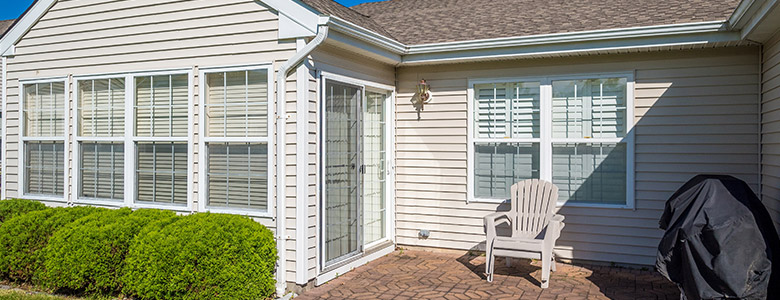
Siding does more than shape the look of a home from the curb. It’s the first line of defense against wind, rain, snow, and temperature swings, protecting the structure underneath from moisture damage and wear. Whether you’re replacing worn, outdated siding or building new, understanding your siding options can help you make a decision that holds up for decades, not just a few seasons.
In this guide, The Best Roofing Company walks through the most common siding materials, how to choose between them, what affects cost, and what to expect during a professional siding installation.
Why Siding Matters More Than Most Homeowners Realize
It’s easy to think of siding purely as an aesthetic choice, but it plays a much bigger structural role. Quality siding protects your home’s sheathing and framing from water intrusion, which can lead to rot, mold, and costly structural repairs if left unaddressed. It also contributes to your home’s energy efficiency, with certain materials offering better insulation than others.
Beyond protection, siding is one of the most visible parts of a home’s exterior. A well-chosen material and color scheme can significantly boost curb appeal, while outdated or damaged siding can make even a well-maintained home look neglected.
Signs It May Be Time to Replace Your Siding
Not every siding issue requires a full replacement, but certain signs suggest it’s worth a closer look:
- Warping, cracking, or bubbling panels
- Frequent need for repainting or touch-ups
- Fading that doesn’t respond to cleaning
- Soft spots, which can indicate underlying rot
- Increased energy bills, suggesting poor insulation
- Visible mold, mildew, or moisture damage
If several of these apply to your home, a full siding replacement often makes more sense than continuing to patch individual problem areas.
Popular Siding Materials Compared
Vinyl Siding
Vinyl remains one of the most popular siding choices for homeowners, and for good reason. It’s affordable, low-maintenance, and available in a wide range of colors and styles. Vinyl siding doesn’t require repainting, resists moisture well, and holds up reliably across a range of climates, making it a practical choice for homeowners looking for long-term value without a high upkeep commitment.
Steel Siding
For homeowners prioritizing durability, steel siding offers exceptional resistance to impact, fire, and pests. Unlike some materials that can warp or crack under extreme temperature swings, steel maintains its shape and structural integrity over time. It’s also increasingly available in styles that mimic the look of traditional wood siding, combining strength with a more classic appearance.
Fiber Cement Siding
Fiber cement has grown in popularity for its balance of durability and design flexibility. Made from a mix of cement, sand, and cellulose fibers, it resists fire, pests, and rot far better than traditional wood siding, while offering a similar aesthetic. Fiber cement holds paint well and is a strong option for homeowners who want a wood-like appearance with significantly less maintenance.
Engineered Wood Siding
For homeowners who want the warmth and natural appearance of wood without the high maintenance demands, engineered wood siding offers a compelling middle ground. It’s manufactured to resist moisture and pests better than traditional wood, while still delivering an authentic wood grain texture and finish.
Residential vs. Commercial Siding Needs
While the fundamentals of siding remain the same, residential and commercial properties often have different priorities when it comes to material selection.
Residential siding decisions typically focus on curb appeal, energy efficiency, and long-term maintenance requirements, with homeowners often prioritizing aesthetic flexibility alongside durability.
Commercial siding projects tend to prioritize durability, cost-efficiency at scale, and compliance with commercial building codes. Business owners and property managers often lean toward materials like steel or fiber cement for their resistance to wear and lower long-term maintenance needs across larger surface areas.
Understanding which priorities matter most for your property helps narrow down the right material and approach from the start.
What Affects Siding Cost
Siding costs vary widely depending on several factors:
- Material Choice — Vinyl tends to be the most budget-friendly option, while fiber cement and engineered wood typically fall in a higher price range due to material and installation complexity.
- Home Size and Shape — Larger homes or those with complex architectural details require more material and labor.
- Removal of Existing Siding — Removing and disposing of old siding adds to the overall project cost.
- Insulation Upgrades — Adding house wrap or additional insulation during installation increases upfront cost but can improve long-term energy efficiency.
- Labor and Regional Pricing — Installation costs vary based on local labor rates and project complexity.
A detailed, itemized estimate from a qualified contractor is the best way to understand the full cost breakdown for your specific project.
Exploring Siding Products and Styles
Beyond material type, today’s siding products offer a wide range of styles, textures, and profiles to match nearly any architectural design. Options include traditional lap siding, board and batten styles, shake and shingle profiles, and vertical panel designs. Many manufacturers also offer a range of color options and finishes, allowing homeowners to customize their exterior without compromising on durability.
Choosing the right style often comes down to balancing personal preference with what complements your home’s architecture and the surrounding neighborhood’s aesthetic.
What to Expect During a Siding Installation
Understanding the general process can help homeowners feel more prepared for their project.
1. Initial Consultation A contractor assesses your home’s current siding, discusses your goals and budget, and helps you select the right material and style.
2. Detailed Estimate You’ll receive a clear, itemized quote outlining labor, materials, and any additional work, such as insulation upgrades or repairs to underlying sheathing.
3. Preparation and Removal Existing siding is removed, and the underlying structure is inspected for any damage that needs to be addressed before new siding is installed.
4. Installation New siding is installed according to manufacturer specifications, ensuring proper sealing and weatherproofing at every seam and joint.
5. Final Inspection and Walkthrough Once installation is complete, a final walkthrough allows you to review the finished project and address any remaining questions.
How to Choose the Right Siding Contractor
Not all contractors bring the same level of expertise to siding installation, which requires careful attention to weatherproofing and manufacturer specifications. When choosing a contractor, consider the following:
- Experience with Multiple Materials — A contractor familiar with vinyl, steel, fiber cement, and engineered wood can help you make an informed decision rather than steering you toward a single option.
- Manufacturer Certifications — Certified installers are trained on proper installation techniques, which can also affect material warranties.
- Clear Communication — A trustworthy contractor provides transparent pricing and a realistic project timeline.
- Attention to Weatherproofing — Proper flashing, sealing, and moisture barriers are critical to preventing future water damage.
- References and Reviews — Feedback from past clients offers valuable insight into reliability and quality of work.
As a contractor experienced across vinyl, steel, fiber cement, and engineered wood installations, The Best Roofing Company helps homeowners weigh these factors and select the material that fits their home, budget, and long-term goals.
Frequently Asked Questions
How long does siding typically last? Lifespan varies by material. Vinyl siding often lasts 20 to 40 years, steel siding can last 30 to 50 years, and fiber cement siding is frequently rated for 30 to 50 years as well, with proper maintenance extending these ranges.
Is vinyl or fiber cement siding a better investment? It depends on your priorities. Vinyl offers a lower upfront cost and minimal maintenance, while fiber cement provides a more premium appearance and strong durability at a higher price point.
Does new siding improve energy efficiency? Yes, particularly when installed with proper insulation and house wrap. Upgrading siding is a good opportunity to address gaps in your home’s overall energy efficiency.
Can siding be installed in any season? Most siding materials can be installed across various seasons, though extreme temperatures can affect certain materials, such as vinyl, during installation. A qualified contractor can advise on the best timing for your specific project.
What’s the difference between residential and commercial siding materials? While many materials overlap, commercial siding projects often prioritize durability and lower long-term maintenance at scale, while residential projects may place more emphasis on aesthetic customization.
Do I need to replace all my siding, or can I repair specific sections? This depends on the extent of the damage. Isolated issues can sometimes be repaired, but widespread wear, moisture damage, or outdated material typically calls for full replacement to ensure consistent protection and appearance.
Final Thoughts
Siding is one of the most important investments you can make in your home’s protection and curb appeal. Understanding the differences between materials like vinyl, steel, fiber cement, and engineered wood — along with what drives cost and what to expect during installation — helps you approach your project with confidence.
Whether you’re prioritizing affordability, durability, or a specific aesthetic, choosing the right siding material and working with an experienced contractor ensures your home stays protected and looking its best for years to come. If you’re ready to explore your options, The Best Roofing Company is here to help guide you through the process from material selection to final installation.